Yes, I tried with mode 5 and it does not works, it also does not works with mode 4 or others.
MSSP or whatever it is, might be good, but are there direct support statements in PBP ?
And also, I already have pre-wired devices and they're meant to be in that way.
The code below does not works - it returns all 255.
Code:
;----[16F886 Hardware Configuration]--------------------------------------------
#CONFIG
cfg1 = _INTRC_OSC_NOCLKOUT    ; INTOSCIO oscillator: I/O function on RA6/OSC2/CLKOUT pin, I/O function on RA7/OSC1/CLKIN
cfg1&= _WDT_ON                ; WDT enabled
cfg1&= _PWRTE_OFF             ; PWRT disabled
cfg1&= _MCLRE_OFF             ; RE3/MCLR pin function is digital input, MCLR internally tied to VDD
cfg1&= _CP_OFF                ; Program memory code protection is disabled
cfg1&= _CPD_OFF               ; Data memory code protection is disabled
cfg1&= _BOR_OFF               ; BOR disabled
cfg1&= _IESO_ON               ; Internal/External Switchover mode is enabled
cfg1&= _FCMEN_ON              ; Fail-Safe Clock Monitor is enabled
cfg1&= _LVP_OFF               ; RB3 pin has digital I/O, HV on MCLR must be used for programming
cfg1&= _DEBUG_OFF             ; In-Circuit Debugger disabled, RB6/ICSPCLK and RB7/ICSPDAT are general purpose I/O pins
  __CONFIG _CONFIG1, cfg1


cfg2 = _BOR40V                ; Brown-out Reset set to 4.0V
cfg2&= _WRT_OFF               ; Write protection off
  __CONFIG _CONFIG2, cfg2


#ENDCONFIG


'chip configs
TRISA=%01000000  'SET A TO OUTPUT   1=input
TRISC=%00000000   'set half C for in/out
TRISB=%00000000   'set PortB to output
ANSELH=%00000000   ' ADC OFF B
ANSEL=%000000000 'configure PortA as digital except first 2
ADCON1=%10000000  'adc justify
OSCCON=%01110101  'SET FREQUENCY TO 8MHZ
WPUB=%00000000    'turn off Pullups
CM1CON0=0         'DISABLE COMPARATORS
CM2CON0=0         'SAME HERE


DEFINE OSC 8
DEFINE ADC_BITS 10
DEFINE ADC_CLOCK 3
DEFINE ADC_SAMPLEUS 50
'lcd config
pause 10
' Set LCD Data port
DEFINE LCD_DREG PORTC
DEFINE LCD_DBIT 4
DEFINE LCD_RSREG PORTB
DEFINE LCD_RSBIT 0
DEFINE LCD_EREG PORTB
DEFINE LCD_EBIT 1
DEFINE LCD_BITS 4
DEFINE LCD_LINES 2
DEFINE LCD_COMMANDUS 1500
DEFINE LCD_DATAUS 44


SCLK	VAR	PORTB.5 'CLOCK
TC	VAR	PORTC.0 'TO CHIP - WRITE
FC	VAR	PORTC.6 'FROM CHIP - READ
RST	VAR	PORTB.4 'RESET
I VAR BYTE 'COUNTER VAR
X VAR BYTE 'TEMP VAR
FONT VAR BYTE [8] 'FONT ARRAY


Reader: 'Font reading outline
LOW RST         ' Ready for transfer
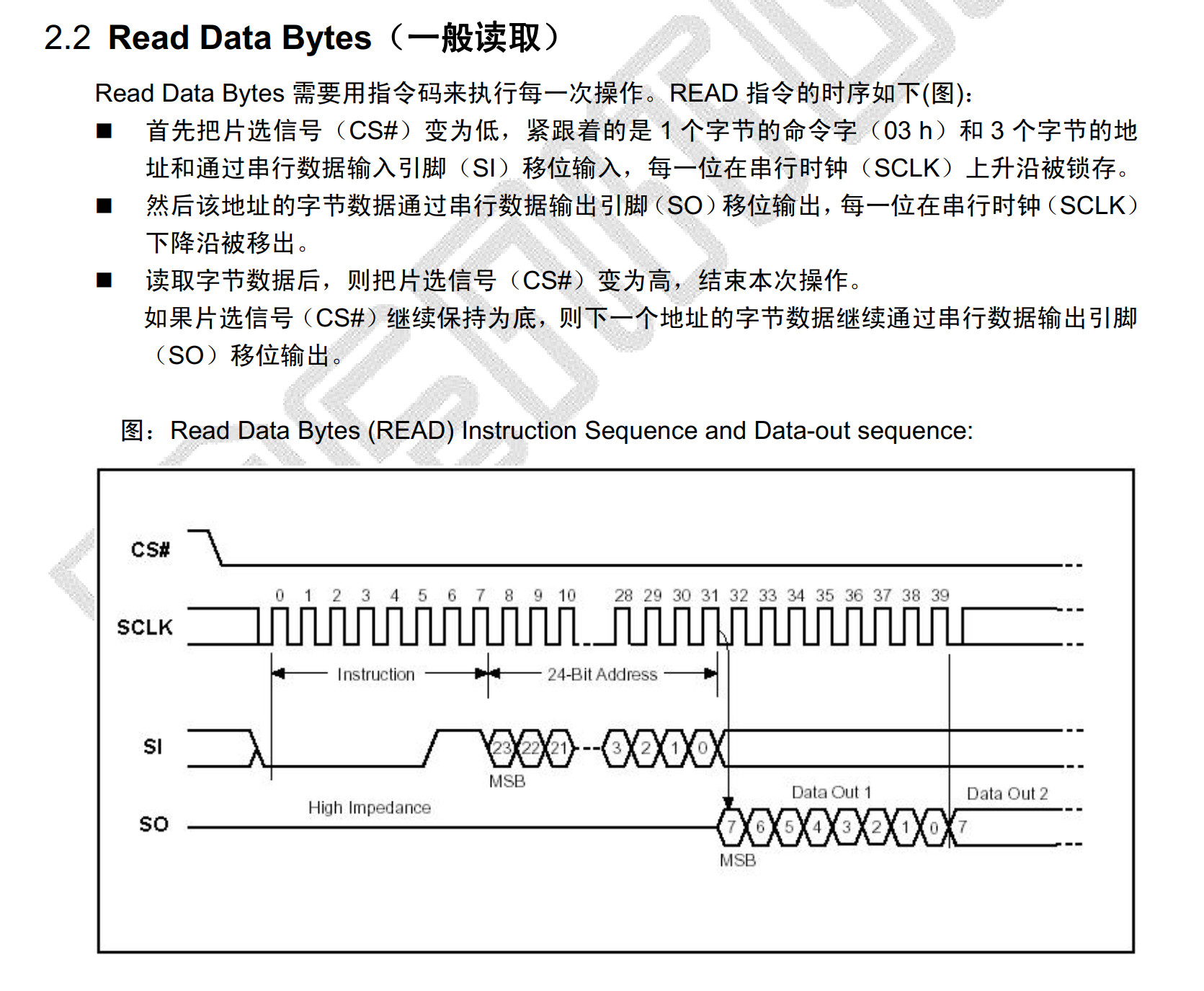
   Shiftout TC, SCLK, 5, [$03,$100,$00,$0] ' Send write command, set start offset
For I=0 to 255 'read 8 bytes of data
   Shiftin FC, SCLK, 5, [x]
LCDOUT $fE, $C0, DEC I,32, DEC X
Pause 200
next
HIGH RST        ' Reset IC
GOTO READER


 4 Wire SPI with Shiftin/Shiftout ?


Bookmarks